5 Tips to Keep your Succulents Alive

Succulents are a popular choice for indoor plants because they are easy to care for and require minimal maintenance. These hardy plants are native to arid climates, so they are well-suited to life indoors. With proper care, succulents can thrive and provide a beautiful addition to your home. Here are some tips for caring for succulent plants:
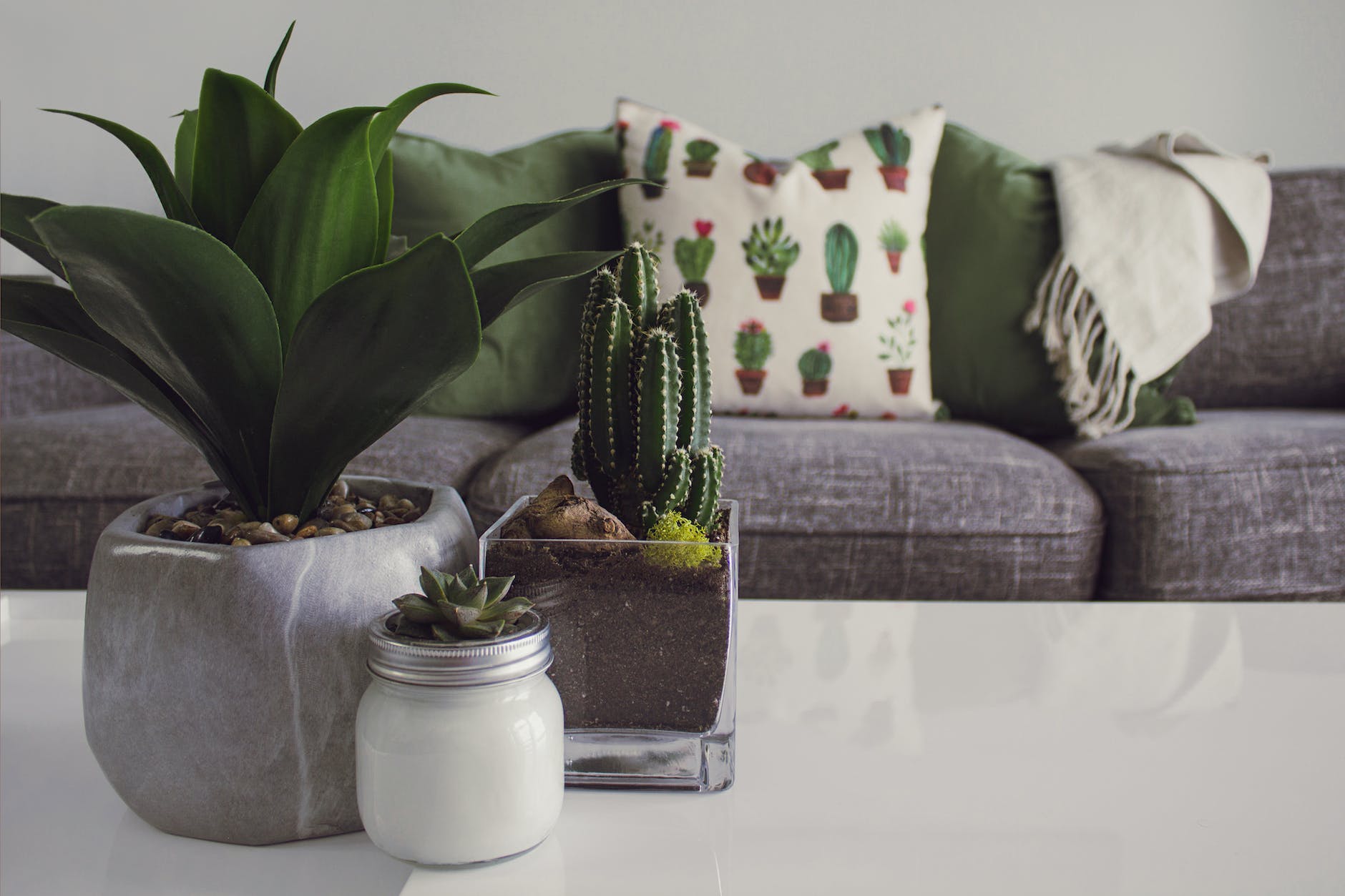
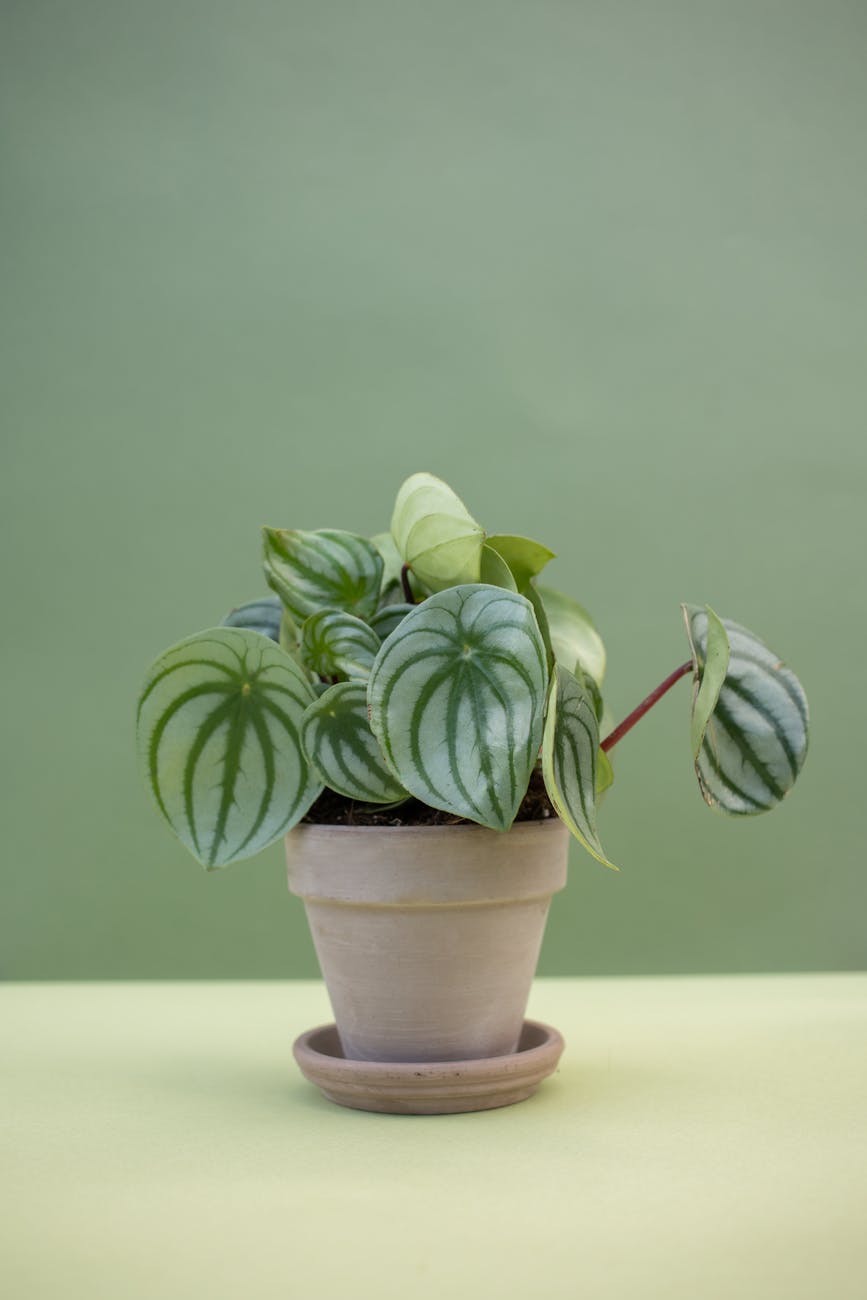
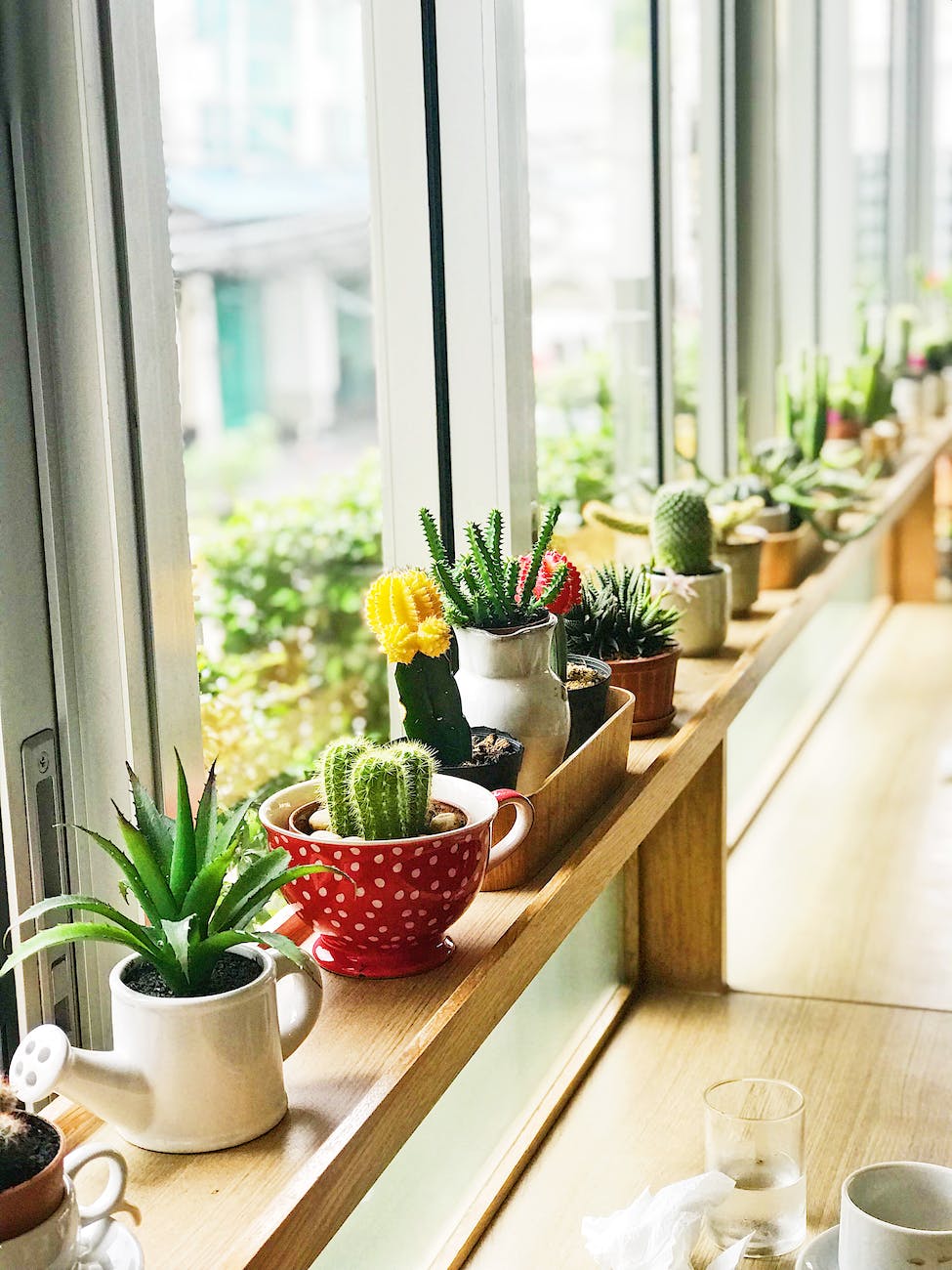
Photo by Designecologist on Pexels.com
  1. Choose the right pot.

Succulent plants prefer to be grown in pots that have drainage holes, as this allows excess water to drain out of the soil and prevents the roots from becoming waterlogged.

Avoid using pots that do not have drainage holes, as this can lead to root rot and other problems.

In general, a pot that is slightly larger than the plant’s root system is a good choice
2. Use the right soil.

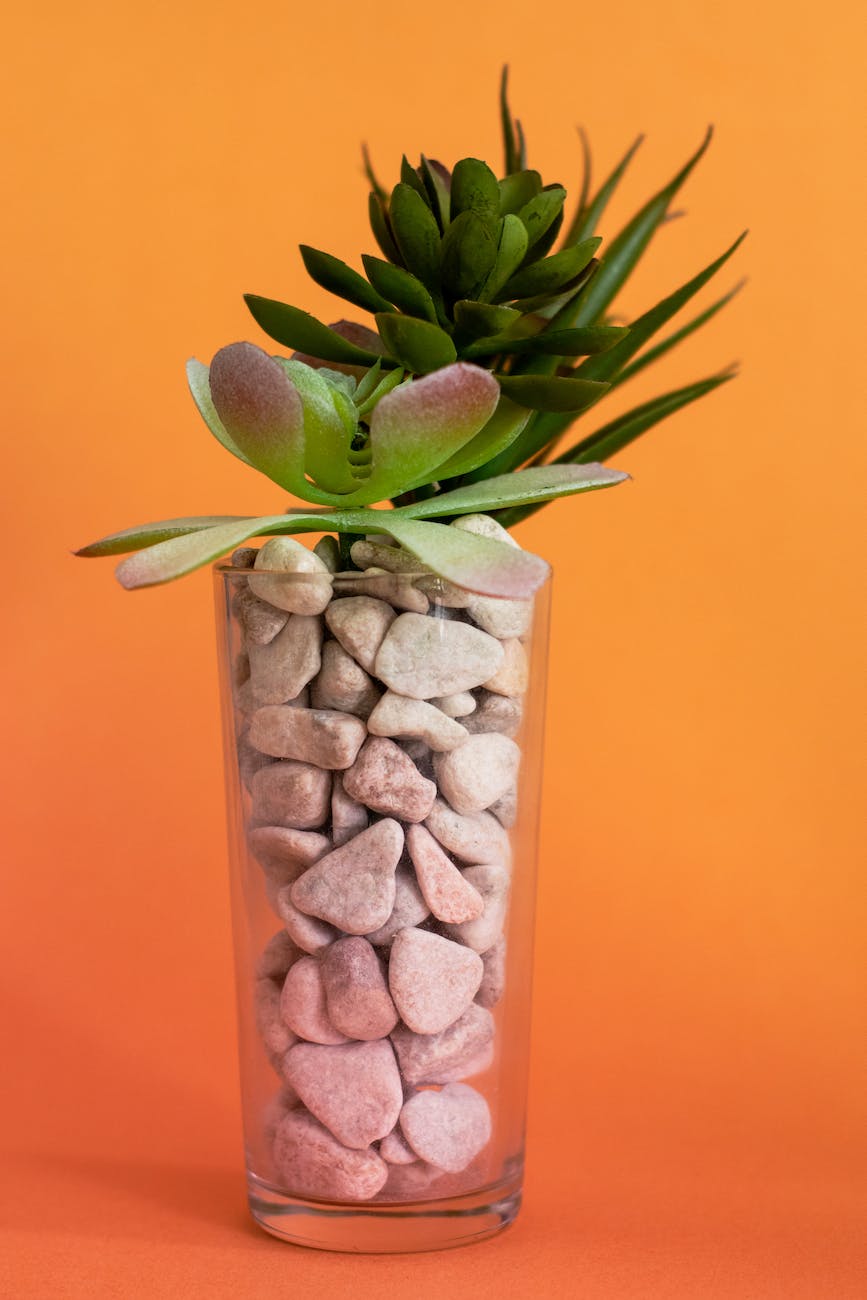
The type of soil that you use can have a big impact on your succulent’s health.

Succulents prefer well-draining soil that contains a mix of organic matter and inorganic materials.

Avoid using potting soil that is too dense or heavy, as this can retain too much moisture and harm the plant.

Instead, look for a soil mix that is specifically designed for succulents or cacti.
3. Provide adequate light

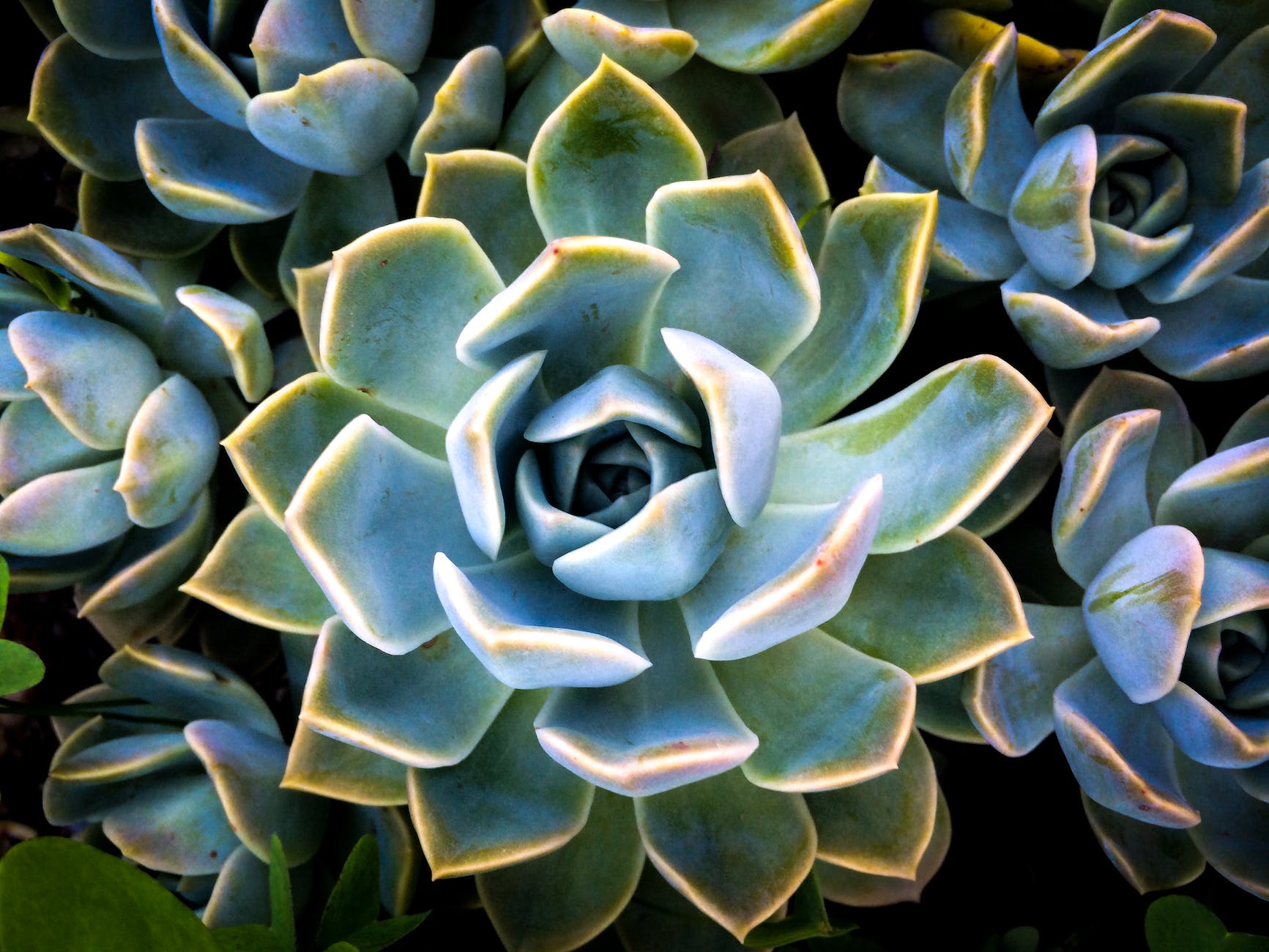
Succulent plants need light to photosynthesize and grow, so it is important to provide them with enough light to thrive.

The amount of light that a succulent needs depends on the species, but most succulents do best in bright, indirect light.

Avoid placing your succulent in a location that is too dark or too sunny, as this can harm the plant.

If you are unsure about the light requirements for your succulent, you can consult a gardening guide or ask a plant expert for advice.
4. Water your succulent properly

Overwatering and underwatering are two of the most common mistakes that people make when caring for succulent plants.

To avoid these issues, make sure to water your succulent according to its specific needs.

Most succulents prefer to be watered deeply and then allowed to dry out completely before watering again.

A good rule of thumb is to water your succulent when the top inch of soil feels dry to the touch.

Avoid watering the plant too frequently, as this can lead to root rot and other problems.
5. Prune and groom your succulent

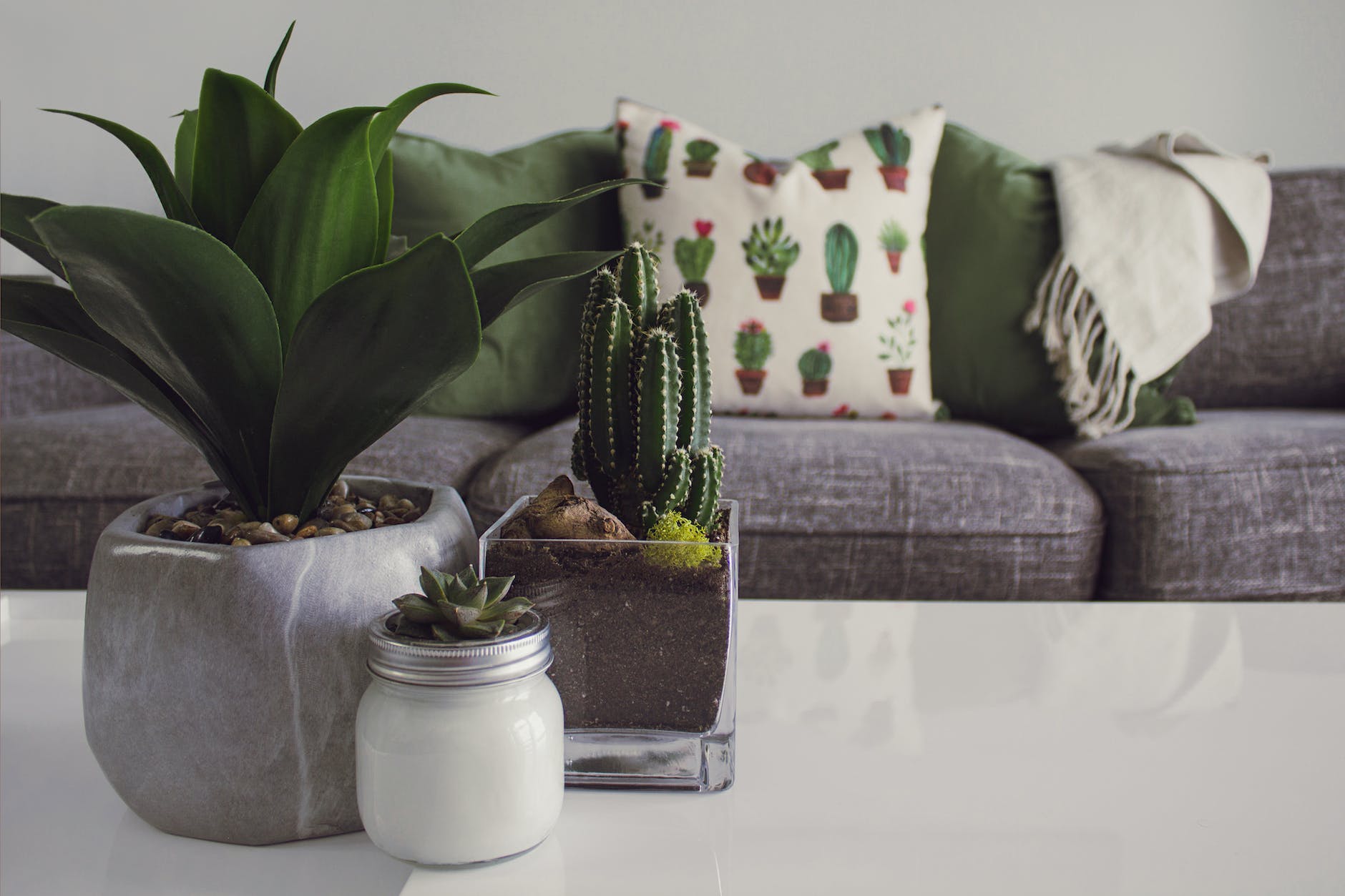
Regular pruning and grooming can help your succulent stay healthy and look its best.

Pruning can remove dead or damaged growth and encourage new, healthy growth.

To prune your succulent, use clean, sharp scissors or pruning shears to cut off any dead or damaged leaves or stems.

Groom your succulent by removing any yellow or wilted leaves, and dusting off the leaves to keep them clean.

This will help your succulent to absorb more light and look more attractive.

  1. .

Easy Plant Care Tips for Beginners

You may think that you just aren’t meant to be a plant owner. Perhaps you end up killing your plant every time you try to have a green thumb. Consistently asking yourself “how can I keep this plant alive?” while cursing into the air. Or maybe you just picked up a plant and want to know what you should do.

You may think that you just aren’t meant to be a plant owner. Perhaps you end up killing your plant every time you try to have a green thumb. Consistently asking yourself “how can I keep this plant alive?” while cursing into the air. Or maybe you just picked up a plant and want to know what you should do.

I started out thinking I was horrible with plants. That I could never be the person with a bunch of beautiful hanging greenery in my living room. Always thinking “how much do I water?” or “does this orchid need nutrients?”

I started out thinking I was horrible with plants. That I could never be the person with a bunch of beautiful hanging greenery in my living room. Always thinking “how much do I water?” or “does this orchid need nutrients?”

I’ve also talked to so many different people who just stopped trying because it seemed like too much.

So unless you are buying some rare finicky plant. You can do it. Have you ever thought you may be doing too much?

Stop Watering Your Plant Every Day

If your first step to plant care is watering it every day. STOP… Your plant most likely does not need to be watered every day. In fact, I can get away with watering some of my plants once a week or week and a half.

I know it’s time to water when the soil is dry. At least this goes for a lot of my plants. I treat my Monsteras, ferns, Alocacias, and other like this. They sometimes look a little thirsty and I make sure to soak the soil completely with water to fill that need.

Heck I have some String of Pearl, and two orchids that are healthy by just being in the bathroom shower mist.

My point is that; your plants will tell you when they need water. They won’t just die instantly.

On the other hand… If you water your plant too much it can lead to root rot, and fungus growth which can be a pain to get rid of.

A lot of people think that you need to water every day. Just avoid doing it. Set a reminder on your phone or something to check the soil dryness twice a week to start off.

Here is my article about overwatered plants in case you suspect it has been overwatered.

How To Know When Your Plant Is Overwatered: What To Do.

Another common issue with overwatering is dealing with powdery mildew which I wrote about below.

Identifying Powdery Mildew: Treat in a natural way

Let there be light

If your plant is recommended to have indirect light. It doesn’t mean keep it in the shade or closet. You can put your plant behind light curtains, or in the open. Just don’t let it get blazing direct sunlight all day. I have been able to tell when my plants get too much sun usually when the ends of their leaves get a bit crisp.

Don’t be afraid to find a spot that your plant loves.

I have one plant that hated to be moved. Every single time I moved it, the leaves would droop and it would look sad. Until I found the spot for it. It took some experimenting but it was worth it and now it’s thriving.

Don’t give up on your plant

You may be asking yourself “is this plant ever going to come back to life”. I say, give it as much of a chance as you can.

I had an alocasia in the corner of my office. It started dripping black stuff out of it’s leaves. Every part of it looked dead besides the little stem that was poking out. I didn’t water that plant for months. It was in the worst unlit area of my office.

One day I walk in, and what do I notice? About 5 little things poking up from the soil. Over the next few days, they grow exponentially.

I have no clue how that plant survived but it is a miracle plant, that survived against all odds.

My point is. Don’t give up on your plant until it gives up. Because it may just be your own miracle plant.

Have fun, Don’t get discouraged

Being a plant parent shouldn’t be a stressful thing. Plants are supposed to make your space look comfortable, and relaxing. Don’t get upset if it doesn’t work out the first time.

Start out small, don’t go overboard. Once you know how to take care of one or two plants, get another.

Don’t be afraid to experiment. Whether it’s with different areas in the house, or perhaps supplemental lighting. If your plant doesn’t like what you are doing, it will tell you. And then experiment some more. If worse comes to worse, you have to get another plant and try again.

But please… Stop overwatering your plants as the first sign of an issue.

How to increase Humidity for indoor plants

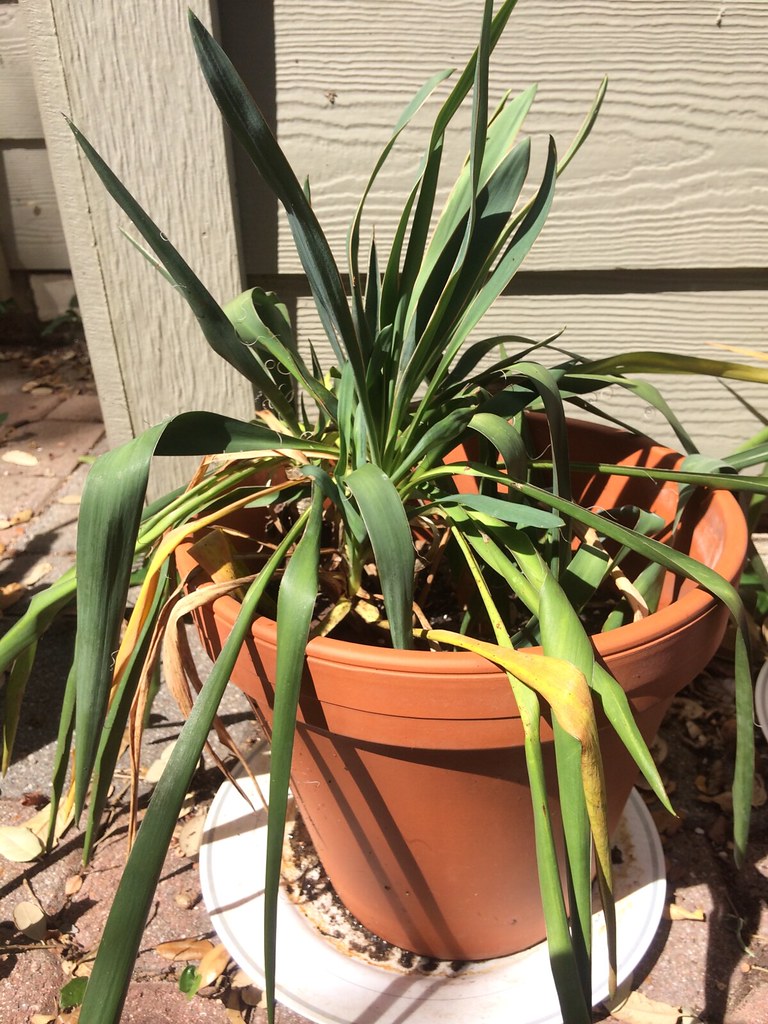
Does your plant look sad? Is it wilting, maybe looking slightly crusty on the leaves? Your plant may be suffering from what we would like to call “Lack of humidity” Don’t let this alarm you. There is no need to call a doctor, or even a therapist.

Low humidity can be a simple fix, that may not require you watering your plant more (which may actually hurt it). Stop overwatering your plants people.

But what if I don’t know all of the signs of low humidity for plants? One may ask…

Signs of low humidity in plants:

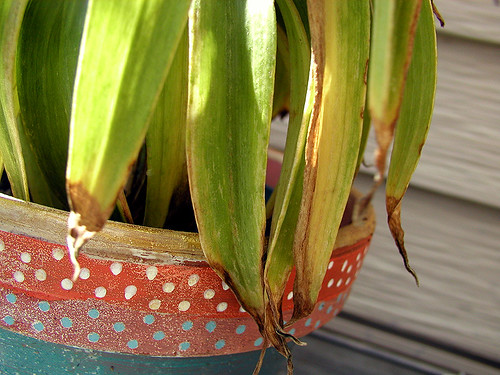
  • Brown tip/ Curling edges on leaves.
  • Leaves looking like they are drying out in general
  • Wilted look

Note: that sometimes it is hard to tell whether your plant is under watered or doesn’t have enough humidity. In my opinion increasing it’s humidity first and then seeing the reaction is better. Rather than over watering, which may do more harm if you are wrong about what the issue is.

What you can do for humidity problems:

Humidity Tray

Photo by EKATERINA BOLOVTSOVA on Pexels.com

Misting Bottle

These are pretty simple in what they do, some have pebbles some don’t.

Personally I prefer ones with pebbles, this is because it can prevent root rot by keeping water slightly away from the roots if they start coming out of the pot.

These are normally cheap, and easy to get ahold of. Using them as a first step in trying to fix your humidity issue may be a good first choice rather than going with the more expensive options.

Please note, that unglazed clay pots typically suck moisture out of the soil faster than other options. Please take note of that.

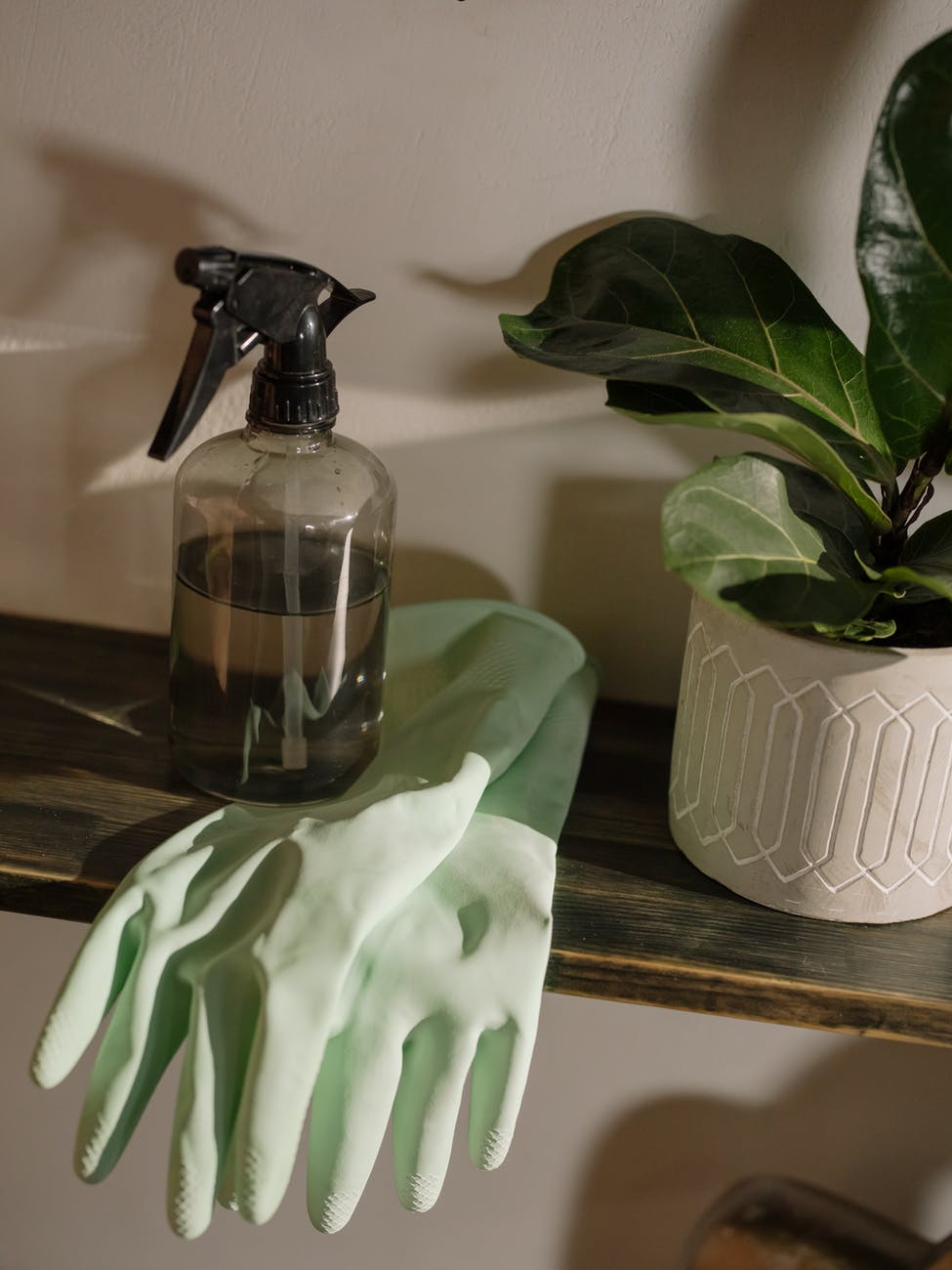
Photo by cottonbro on Pexels.com

Another affordable option would be to simply mist your plants if they are a plant that is able to handle the mist. most are just check in case.

You generally will want to avoid water pooling into leaves which could promote mold, another area where to avoid would be near the stem if the water can collect in there.

Combining a humidity tray, with some misting could help tremendously with your humidity issues.

Bathroom

Photo by Ksenia Chernaya on Pexels.com

Humidifier

There are other ways that you can increase the humidity for your plants and not really have to do anything but move them.

This would be bringing them to your bathroom. A lot of the time this can be a quick easy no cost solution to the humidity issues you may be facing.

In a lot of areas during the winter, most parts of peoples houses tend to lose humidity either due to fires, or heaters that kill the humidity. So if the weather is getting colder and you are noticing your plants suffering from the symptoms above. Try moving it into the bathroom. Also, orchids tend to thrive in bathrooms from my own experience.

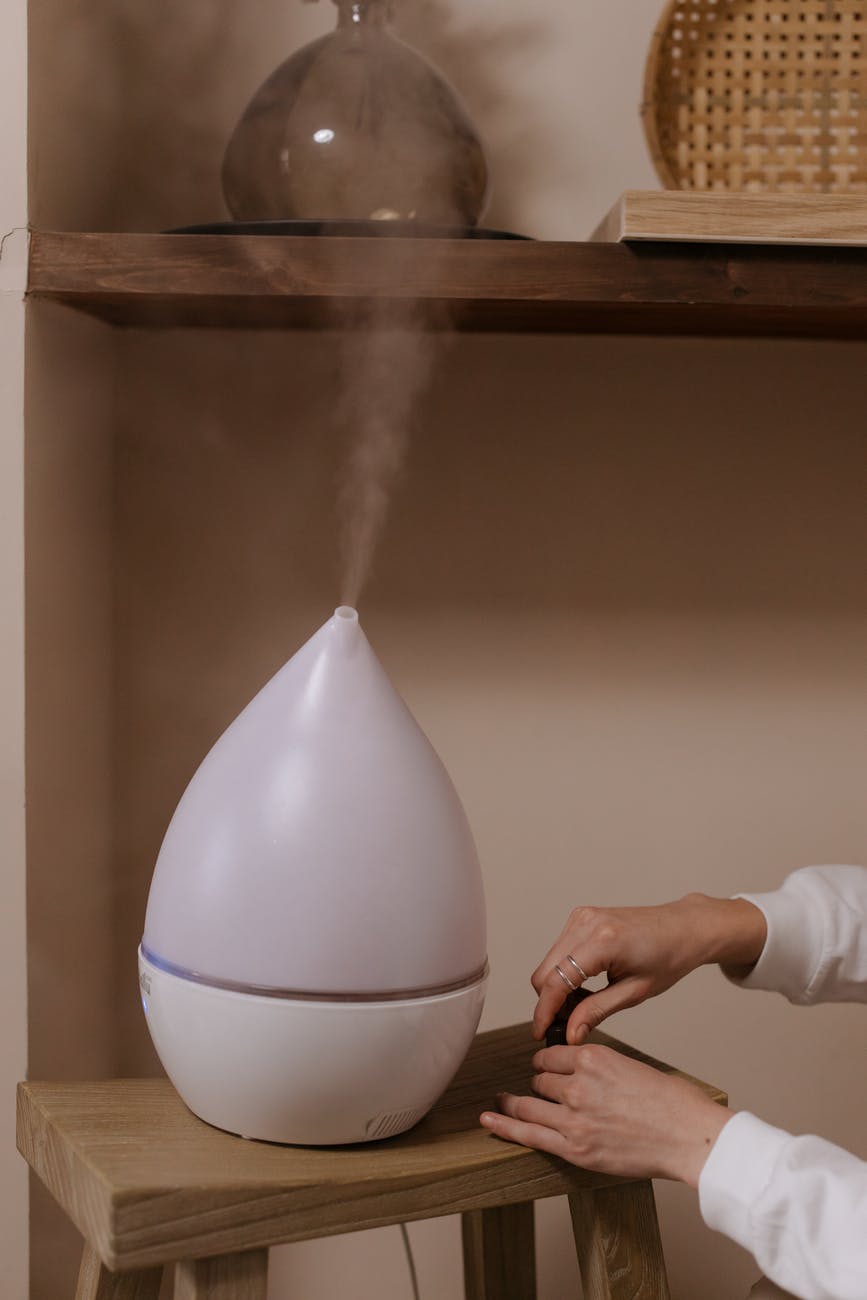
Photo by cottonbro on Pexels.com

When worse comes to worse in the humidity problems of plants. Maybe you just have too many plants to do the above suggested things for.

This is when I would suggest a humidifier. A lot of humidifiers can read the rooms humidity levels. They are generally automatic.

You can usually find some good humidifiers online that won’t break the bank either. So if you just want to relax and not have to put misting your plants on the list of things you already have to do, this is what I would suggest.

Humidifiers can also be good for stopping the stuffy nose, or cracked lips in the winter which is just an extra added bonus.

One last note about the humidifiers. You will want to do maintenance sometimes in order to check for mold. Because it holds water inside of it, you could get some mold growth, which is easy to take care of if it does happen.

The Last Month Update

This last month has been rough, especially with school. I turned out to be a lot busier than what I was expecting. I wish I had been able to write more but I haven’t been able to put in the time to do proper research. I wasn’t wanting to put out a bad article. I have been focusing on school, and wanted to get my office worked on a bit more.

I have been contemplated doing some DIY outdoor planter boxes when I get the chance for a while. My girlfriend really thinks that they would be nice to grow some veggies on the side of the house and look nice at the same time. I don’t think I can disagree with her.

Because the weather has been so nice, I started making the raised garden bed. The frame is all laid out. All I have to take the grass out of that area, and level it so the boards lay flat. I will most likely line the bottom of it with sticks for extra nutrients, as well as not having to fill as much with topsoil. I will most likely have to buy some starts from what I want to grow because I started too late I believe to grow from seed.

I hope to finish a few of my posts soon. I have some that are half written, but I wanted to take the time with them in order to make them worth reading. Another issue I have had is with the alocasia silver dragon that I bought, which I believe is having some sort of fungus issue/rot. I got it and the soil was not proper soil for it which I think was a main factor.

I know I should have transferred the plant into a different type, but I thought aerating it would do it well considering the weather has gotten warmer. However I was wrong, but someone did suggest I use a copper type of treatment on it. I have to look into that a little more but it is at least something I can try.

Thank you for reading,

-Plant Dummy

How To Know When Your Plant Is Overwatered: What To Do.

A lot of the time when people experience an issue with their plant, they may choose to water their plant. Whether it’s looking wilted, or turning yellow. Watering too much was at the top of the list for my issues.

Note: All plants are different, but a lot may react similarly. Make sure you double check for your specific plant. This is to help with some ideas of what you may come across.

How Overwatering can happen.

A lot of the time overwatering can happen when you are too into looking at your plant. I made this mistake when I first got into plants. I would think that maybe if I didn’t water enough, my plant would automatically die. However this is not the case, and for many plants underwatering is far safer for your plant than overwatering. At least as far as plant recovery is concerned. Overwatering can also happen when the soil is not able to train fast enough.

What Overwatering Looks Like

Some of the signs of overwatering may seem like it doesn’t really make sense. So knowing the signs of overwatering/watering issues is important to keeping your plant healthy.

  • Over watering can lead to an even more wilted looking leaves sometimes even curled looking.
  • If you notice your plant isn’t having any new growth, but this can also be due to other factors as well, like if your plant gets too cold some can go into a dormant state. That can usually happen below 50 degrees fahrenheit.
  • Where the plant meets the soil may start to rot, which makes it feel soft.
  • Yellowing of leaves.
  • You can even get fungus that starts growing in the soil because of the consistent moisture.

Something you can’t normally see until you take the plant out and inspect it would be root rot.

How to Avoid Overwatering

There can be many reasons that lead to the plant being overwatered. It may not just be the fact that you water too much. There are several ways that you can avoid overwatering. Here’s what you can do.

  • Wait until the appropriate soil dryness. Usually I go with the first or second knuckle deep for the soil to be try. Different plants have different suggestions.
  • Get an appropriate plant pot, which is one that drains properly. A lot of plants will do okay around 60-70 degrees.
  • Have an appropriate temperature for your plant. This leads to the water to be evaporated quicker.
  • Plants require different water depending on what time of the year it is.

Some people will suggest a plant watering spike to make watering easier. I think that they can work for some plants, but if you give watering spikes a shot. Make sure you still pay attention to the soil. You wouldn’t want to come back in two weeks to see your plant basically dying of root rot.

I personally think that a good draining pot would be a good option for most people over a watering spike. If you are curious about testing out a convenient well rated pot you can check this one out. It is also not a bad price either.

Click Here If You Want To Buy Self Watering, Self Aerating High Drainage Deep Reservoir Pot On Amazon.

I may get commissions for purchases made through this link.

If you don’t want to miss out don’t forget to sign up for updates. It’s free, and you can take yourself off whenever.

Processing…
Success! You're on the list.

Thank you,

-Plant Dummy

Identifying Powdery Mildew: Treat in a natural way

Learn how to Identify, and treat powdery mildew easily.

So you notice your plants leaves are curling a little bit. Maybe you see think someone sprinkled powdered sugar all over your plants, but I highly doubt that. You should rule out mealybugs which is one of the pests I talk about in another article.

However you still have a problem. Good thing for you, powdery mildew is not really a death sentence for your your plants, just a major annoyance but it shouldn’t be ignored because it can get worse. Getting powdery mildew is important not only for saving the amount of headaches.

Identifying Powdery Mildew

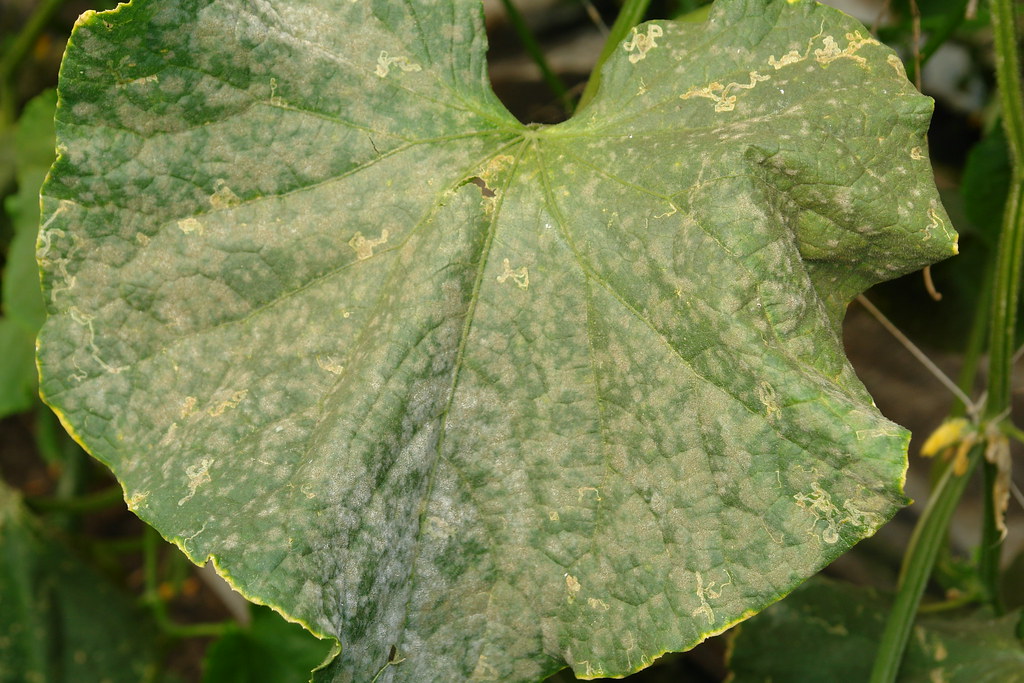
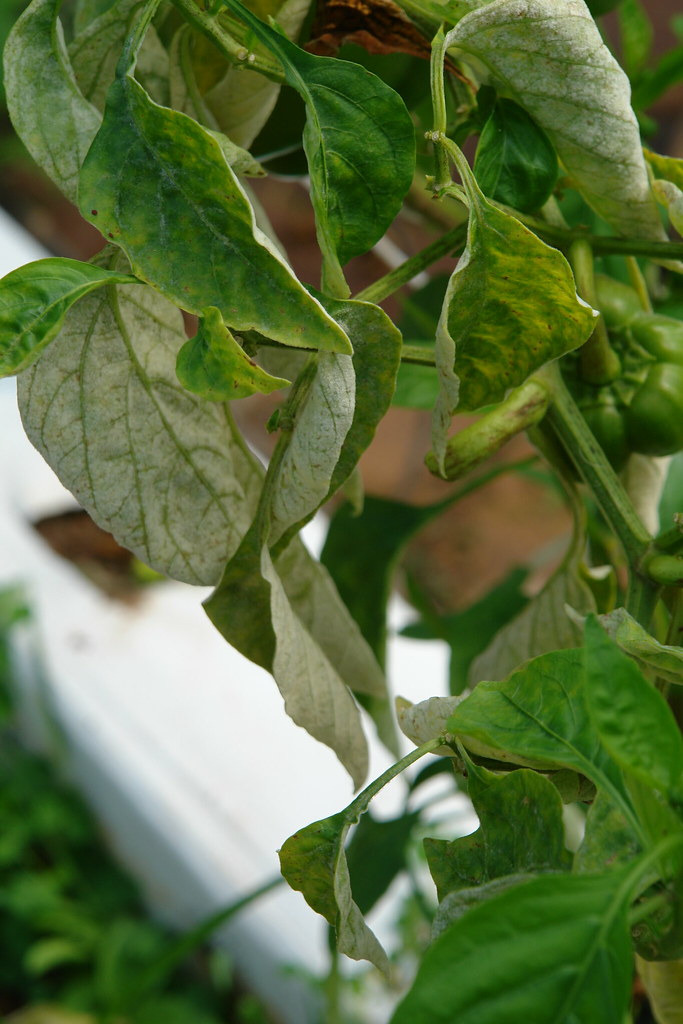
with powdered mildew, you will most likely see some white powder on your leaves or around the stem area. It may look like if there was water spots on your leaves that dried into a fine white powder.

Another symptom can be curling leaves, and discoloration. This can lead people to think that there is a nutrient issue, this is more common further into an infection when it tends to be more severe.

Some leaves may curl up and fall off at a further stage of infection.

How does powdery mildew happen

Considering that powdery mildew is usually various fungal spores, which can lay dormant and start spreading once the conditions are better for it to spread.

A powdery mildew infection can start from bad air flow, bad lighting (to little), bringing in a new plant that is infected, even walking into the room with spores on your clothes from outside could do it.

Another factor is high humidity ranging from around 60-70% and higher. High humidity often can lead to fungus/mold issues if they are presented into the environment mixed with other negative factors. That is why it is important to have some air flow and proper lighting.

Note: make sure whatever you have to do with the plant that you are careful, because the spores can transfer very easily.

Treating Powdery Mildew

Isolate your infected plant from your other plants, carefully cover the plant if you are able to so that the spores don’t get released into the air. Be careful when you move the plant, because the spores are very sensitive and can spread very easily.

Either pinch the affected leaves, or areas such as a vine on an English Ivy that is infected. If you have to use any gloves or tools, make sure you wash them or sanitize them in order to kill the spores afterwards. You don’t want to accidentally re introduce the spores.

Tip for trimming: You can also use cinnamon after you pinch or cut on the areas, because cinnamon has antifungal properties, so it helps prevent infection, and can lead to boosted growth from previously clipped areas to boost the possibility of growth as well.

You can use either a spray or something like neem oil. Just be careful with neem oil and too much light because neem oil can lead to certain plants burning easily from light sensitivity.

If worse comes to worse, and you really have to. You can use a spray that will help with the issue, just make sure you research if what spray you will be using is okay for your plant.

Improving aspects that caused the problem will help you longer term. This can be increasing air flow, giving the room proper lighting, or decreasing the humidity if there is too much.

If you want more tips:

Honestly there are products out there that I could easily pump out. But I think that the best bet to prevent this stuff is making your environment a good environment. If you are curious about what I think are good things that make owning indoor plants easier you can check out my post on Indoor Plant Tools to make your life easier.

Don’t miss out on useful articles in the future by joining my mail list to keep updated.

Processing…
Success! You're on the list.

Thank you again for reading,

-Plant Dummy